- Home
- Loading

| Item ID |
|---|
| Title |
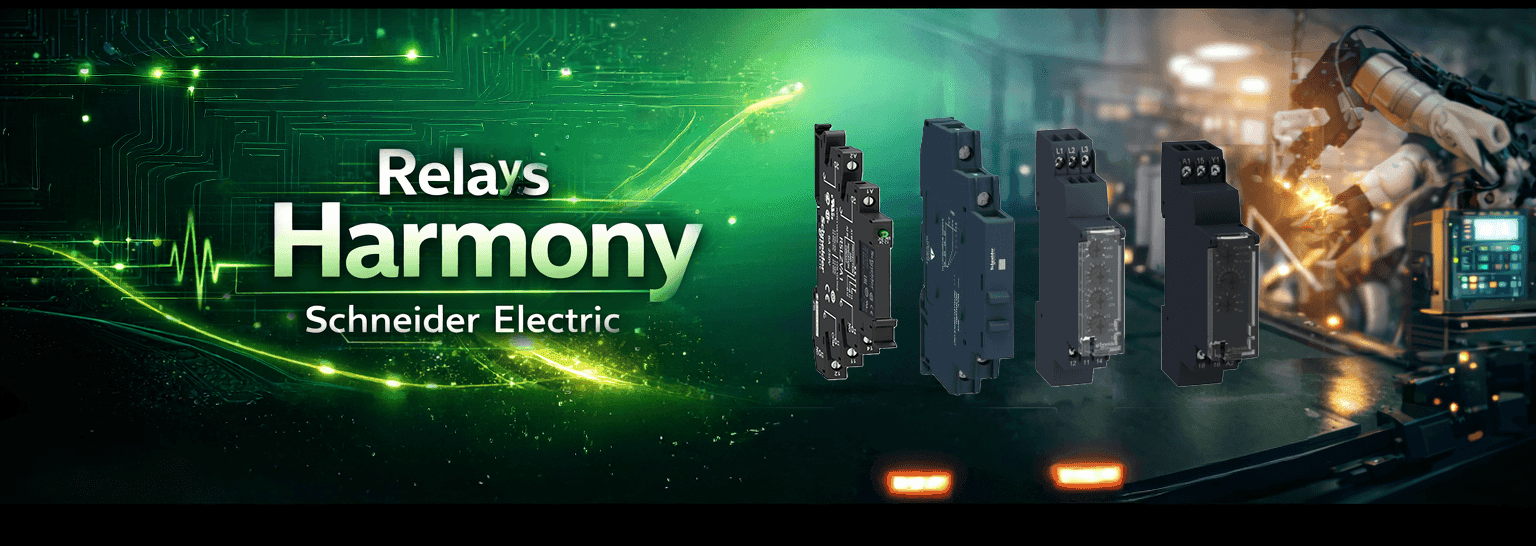
Relays are essential components in industrial automation and control systems. Their primary function is to enable remote control of electrical circuits, acting as electrically controlled switches. They provide the interface between the control (low-power) and power (high-current) components, ensuring reliable, secure operation adapted to the requirements of industrial environments.
We offer a wide range of relays, from interface relays (slim and miniature) to power relays, including time relays and solid-state relays. This diversity meets a wide range of needs: machine automation, process management, security, timing, electrical isolation, etc.
Thanks to their robust design and proven reliability, relays are used in a variety of fields such as construction, manufacturing, infrastructure, and renewable energy. Their role is often discreet, but they are essential to the proper functioning of many automated systems.
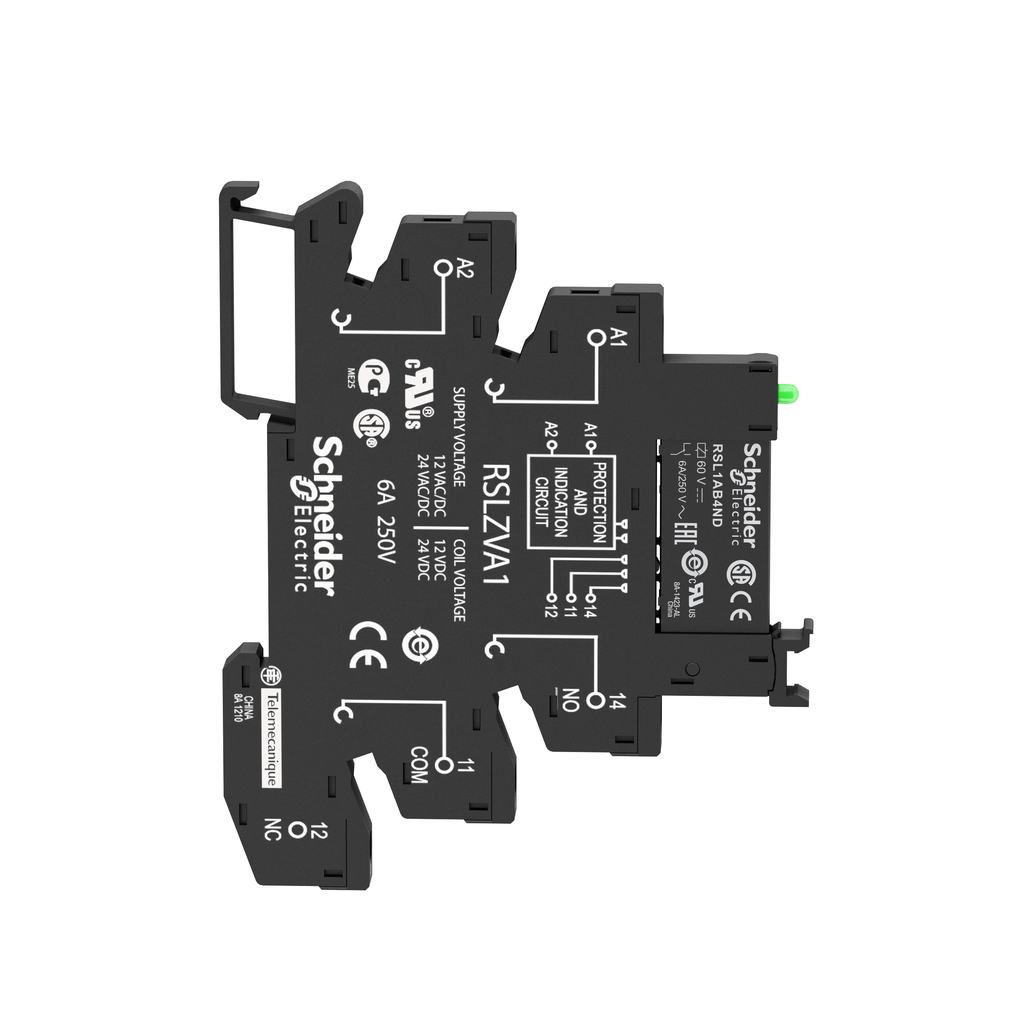
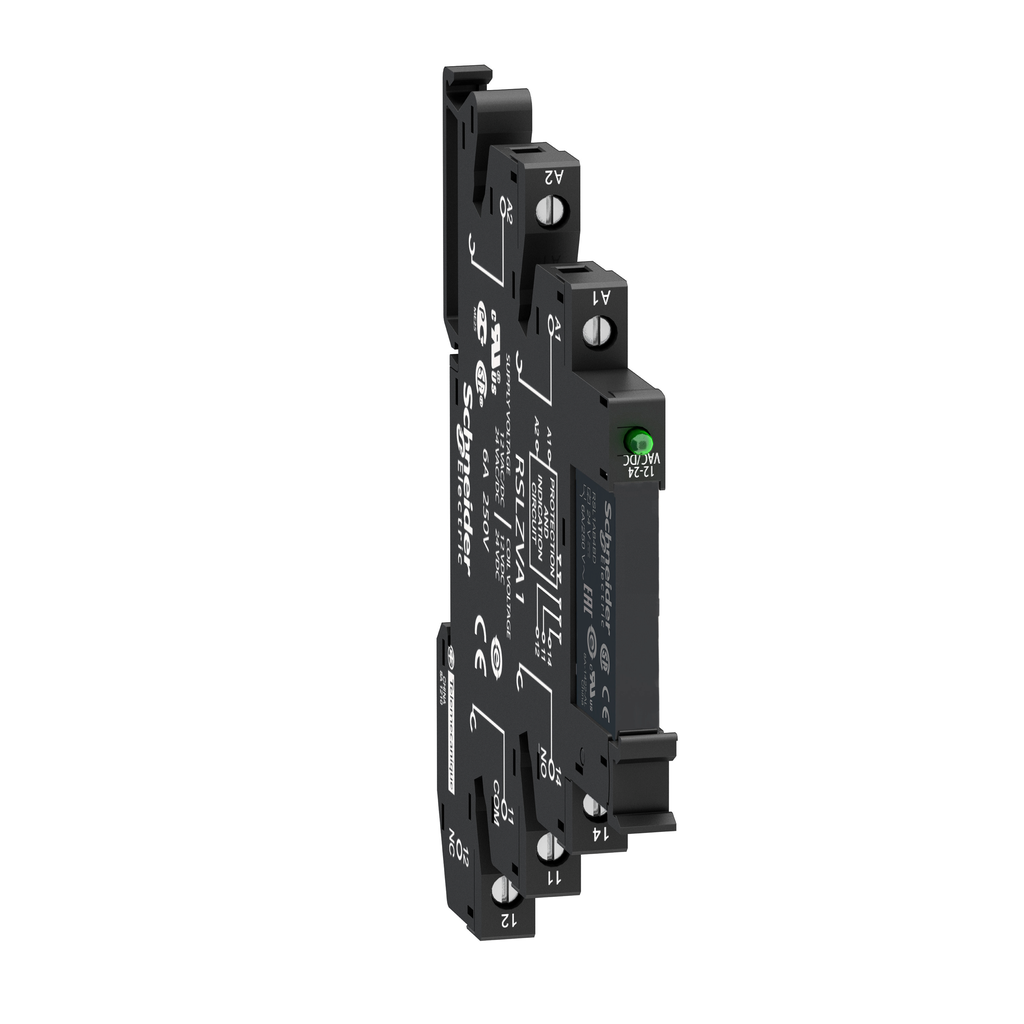
Schneider Electric's Harmony range includes compact, reliable, and modular electromechanical relays designed for industrial automation and the tertiary sector. This category includes eight model groups: RSL / RSB / RXG / RXM / RUM / RPM / RPF. If you're interested in learning more, we'll cover these family groups in the link below.
Key advantages:
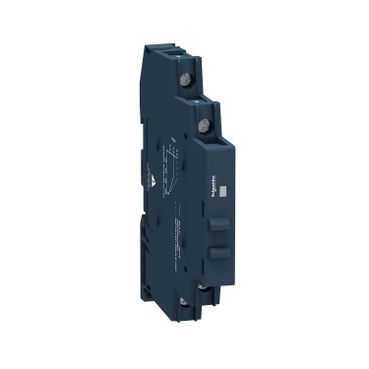
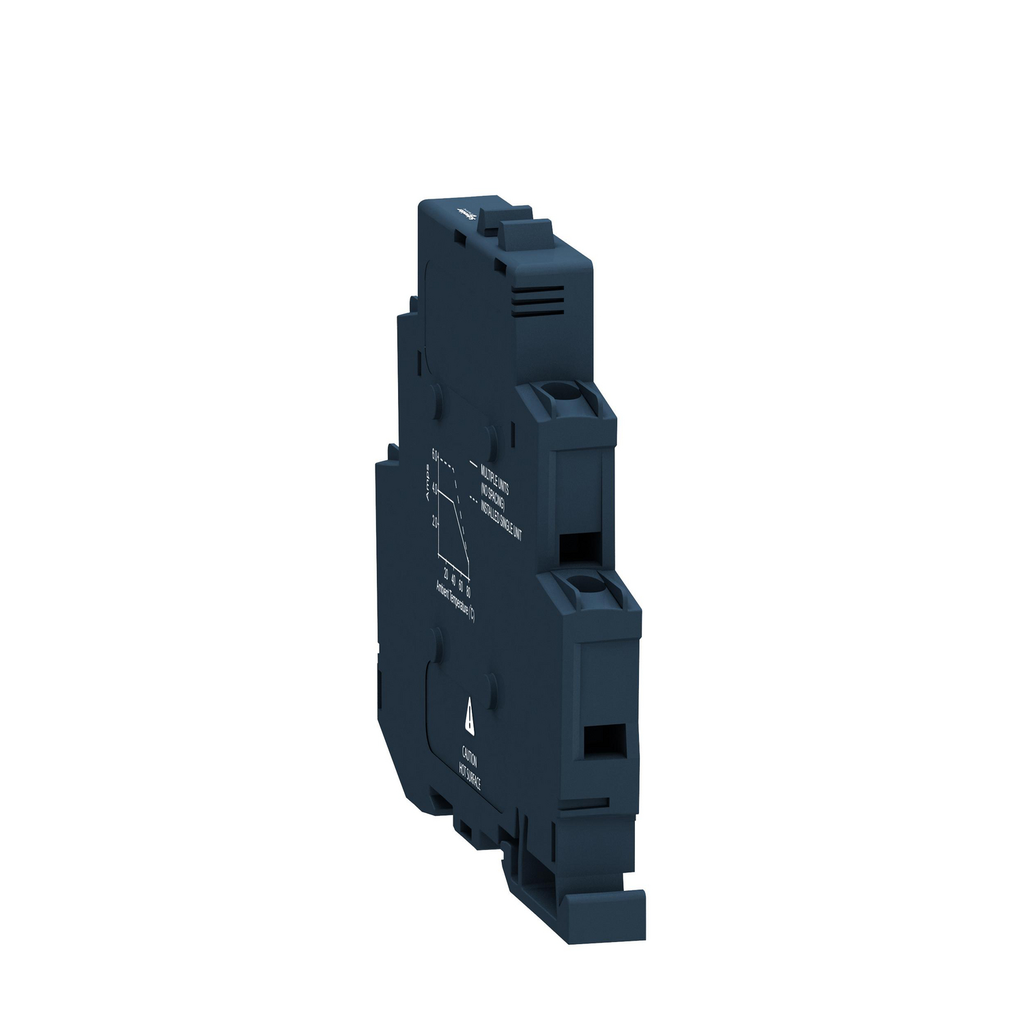
Schneider Electric's Harmony SSR range offers compact, quiet, and wear-free solid-state relays, ideal for demanding industrial environments. Designed for long service life, they are available in four families adapted to different current and mounting requirements: SSL, SSM, SSD, and SSP.
If you would like to learn more about these relays, you can find technical details via the link below.
Key advantages:
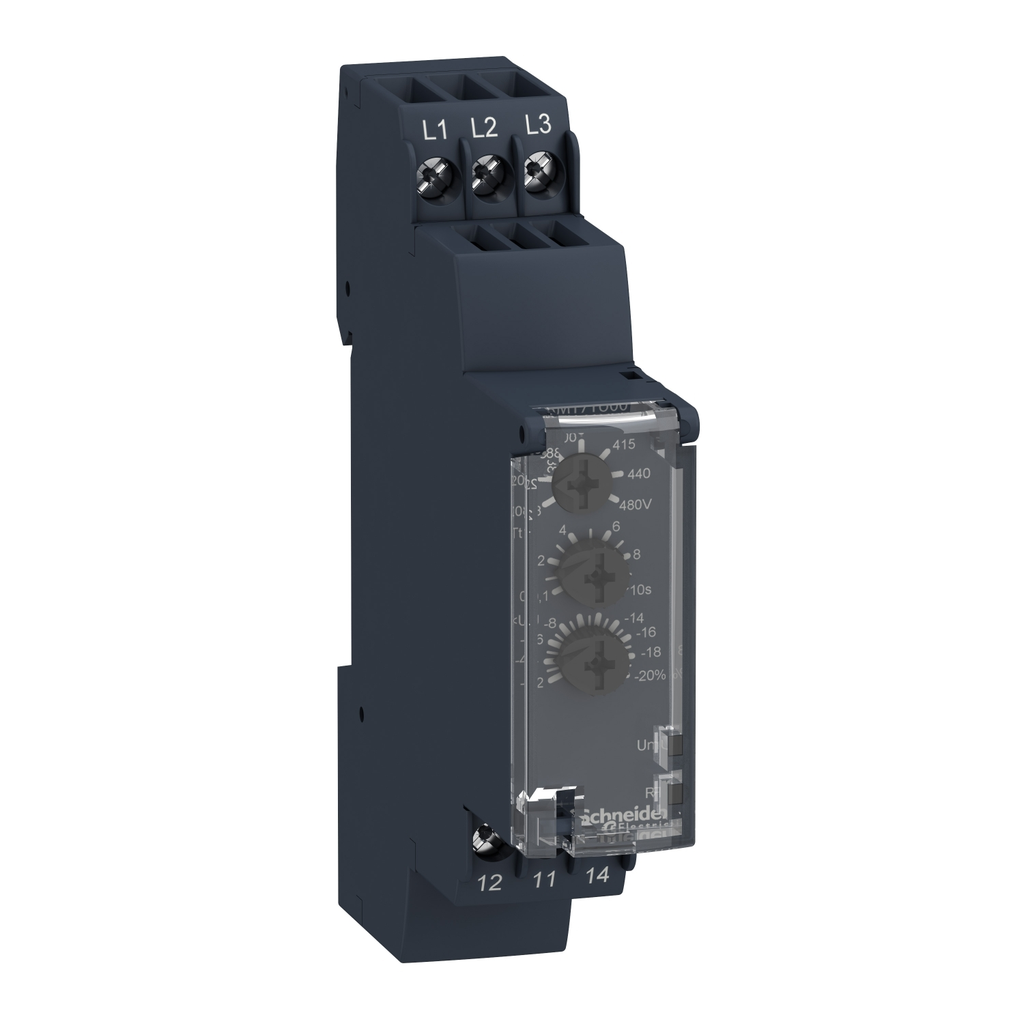
Schneider Electric's Harmony control relay range allows for real-time monitoring of critical parameters such as voltage, current, level, phase, and insulation. Compact and reliable, they provide preventative protection for equipment in industrial and commercial facilities.
They are available in several families depending on the monitoring function: RM17, RM22, RM35, RMC, RMI.
Key advantages
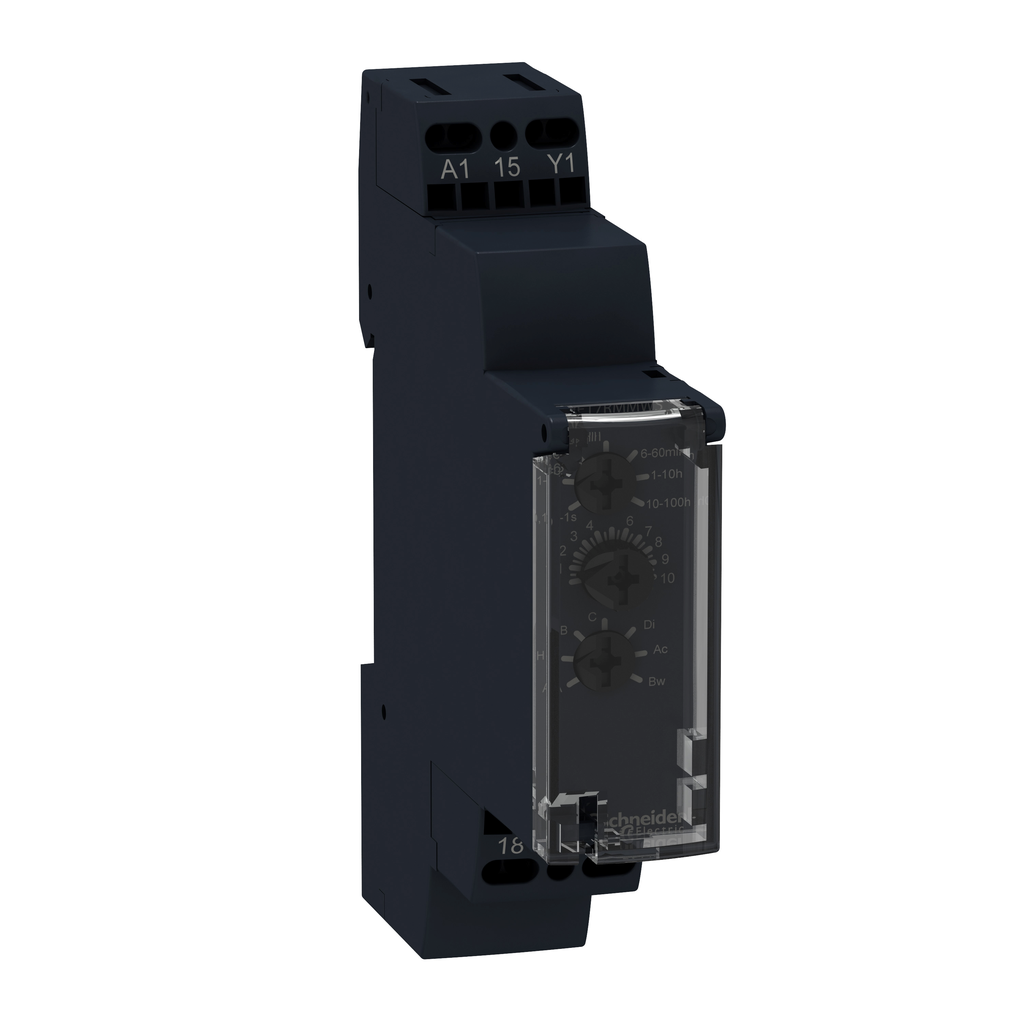
Schneider Electric's Harmony time relay range allows for precise management of time delays in automation systems and electrical circuits. They ensure accurate time control, improving the efficiency and safety of industrial and commercial installations.
They are available in several families, such as the RE17, RE22, RE48, depending on the complexity, precision, and desired format (compact, modular, or snap-in).
Key advantages :
| Type | Technology | Advantages | Disadvantages | Typical Applications |
|---|---|---|---|---|
Type ELECTROMECHANICAL | Technology Mechanical contacts operated by coil | Advantages Cost-effective, easy to diagnose, industrial standard | Disadvantages Contact wear, switching noise, limited lifespan | Typical Applications Standard controls, general automation, simple circuits |
Type SOLID STATE (SSR) | Technology Electronic switching (TRIAC, MOSFET, etc.) | Advantages Silent, long lifespan, vibration-resistant | Disadvantages Heat generation, leakage current, higher cost | Typical Applications Delayed start, safety timing, sequences |
Type TIMER | Technology Incorporates operational or release delay | Advantages Programmable, precise, compact | Disadvantages Less flexible if logic changes | Typical Applications Delayed start, safety timing, sequences |
Type CONTROL | Technology Electronic monitoring (voltage, current, level, phase…) | Advantages Enhanced safety, preventive alerts, real-time supervision | Disadvantages Advanced configuration, requires precise settings | Typical Applications Motor protection, network faults, level or temperature control |